The Complete Guide to Old Money Dressing for Indian Men in 2026
There is a certain kind of man who walks into a room and the room adjusts. He is not wearing the loudest thing in it. He is not wearing the most expensive thing in it — at least not in any way you could verify. But something about the way he is dressed signals that he has thought about this for a long time. That man is dressed in old money.
In India, old money dressing is having a genuine cultural moment. The obsession with logos that defined Indian menswear through the 2010s is quietly fading. In its place: tailored blazers, pique polo shirts, linen suits, and a colour palette that would feel at home in a Bombay Gymkhana from 1962. If you have been scrolling through Instagram and noticed men dressing like a cross between a Tata grandson and a Ralph Lauren campaign — that is it. That is old money.
This is the complete guide to getting it right in India in 2026.
What old money dressing actually means
Old money style is not about being wealthy. It is about dressing as though wealth is something you have always had — which means you have never needed to prove it with a logo. The aesthetic is built on four principles: quality over quantity, fit over fashion, classics over trends, and restraint over ostentation.
The man who buys one excellent navy blazer instead of three average ones. The man whose polo shirt is so well made that it still looks right after fifty washes. The man who wears herringbone in a room full of sequins and looks, somehow, more dressed than anyone else. That is old money.
In India, this aesthetic has deep roots. The Parsi gentlemen of pre-independence Bombay, the Maharajas who ordered their suits from London but wore them with an ease that no Englishman could replicate, the old Gymkhana members who wore the same cricket whites for twenty years because they were perfectly made — India has always had its own version of old money. The current trend is simply a rediscovery of something that was always here.
The wardrobe pillars of old money dressing for Indian men
1. The tailored blazer
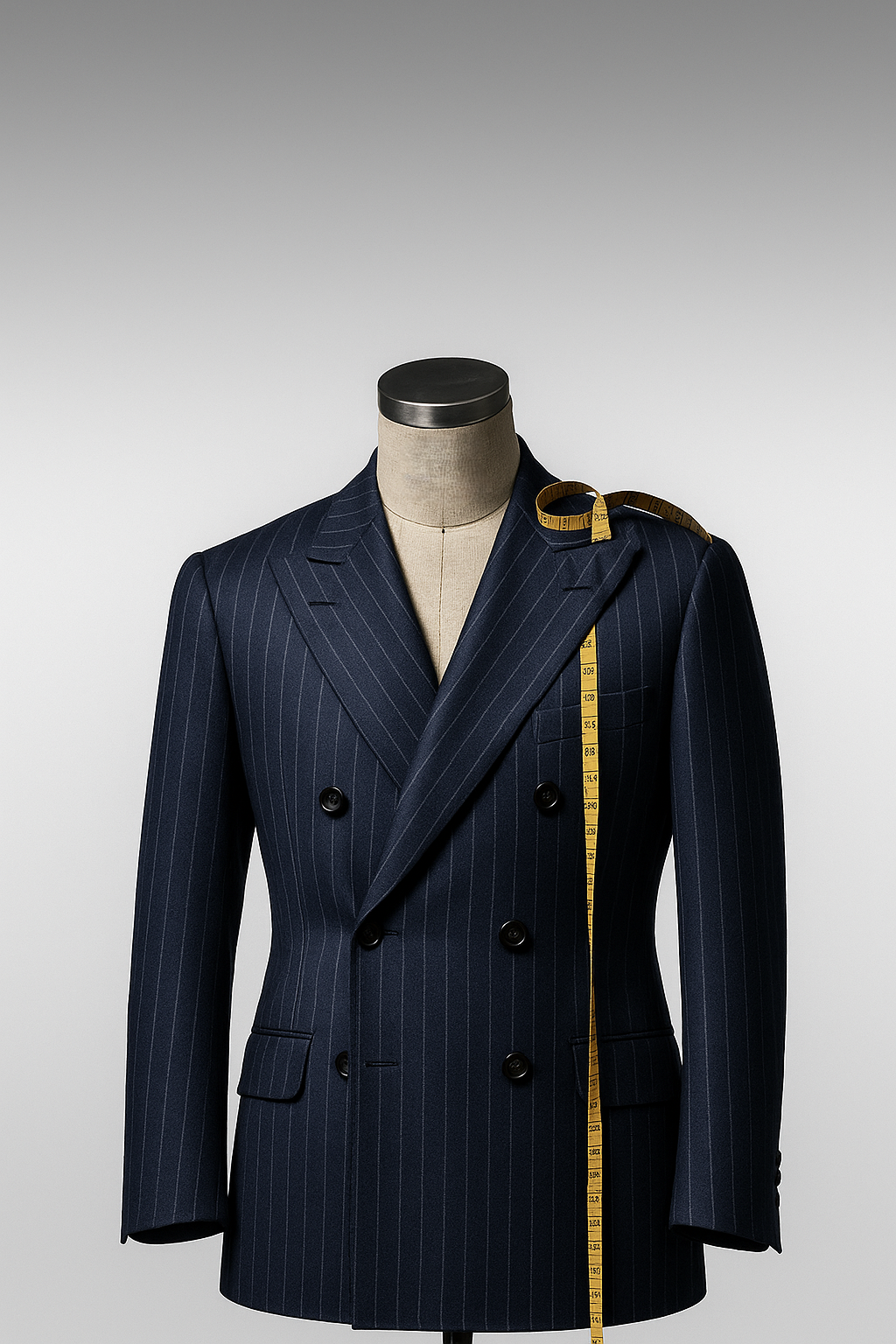
No single piece does more work in an old money wardrobe than a well-cut blazer. It elevates everything it touches — a simple white tee, a polo shirt, a linen shirt — and signals immediately that the wearer understands how clothes are supposed to fit. Start with a solid, single-breasted blazer in navy or charcoal. Then add texture: a herringbone, a pinstripe. These are the blazers that last twenty years without going out of style.
You need a good Tailored Blazer we got you! At Hex Needle.
2. The pique polo shirt
The polo shirt is the most underestimated piece in menswear. Done wrong, it looks like a school uniform. Done right — in a rich, tight-knit pique cotton with a collar that actually stays flat — it is one of the most versatile and effortlessly elegant pieces a man can own. The colours of old money dressing: navy, white, bottle green, oxblood, and maroon. Avoid polyester blends entirely.
Check Out the Polo collection by Hex Needle
3. The linen suit
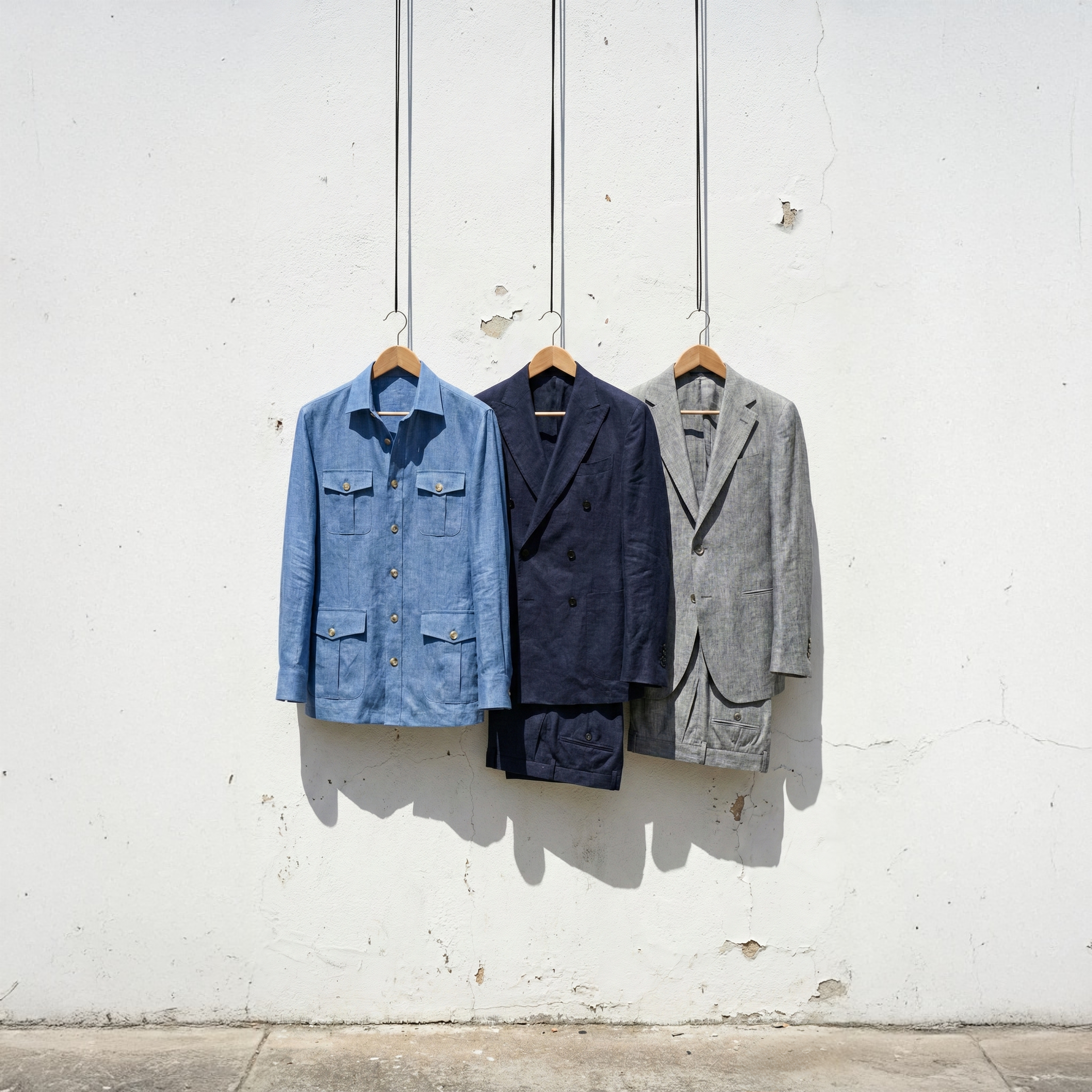
For India specifically, the linen suit is not optional — it is the correct choice. Three-quarters of the year, India's climate makes a wool suit a test of endurance. A well-cut linen suit in cream, ivory, or light grey does everything a wool suit does while keeping you comfortable from 8am to midnight. This is old money dressing adapted for where you actually live.
Check Out the Linen collection by Hex Needle
4. The dress shirt
White, sky blue, black. These are the only three colours you need in dress shirts. Everything else is negotiable. The dress shirt's job is to disappear — to be the canvas on which the rest of the outfit is painted. A crisp white dress shirt under a pinstripe suit is one of the most powerful looks in any room.
Check out the DailyDressShirt by Hex Needle
5. The linen shirt
The linen shirt is old money's answer to the question of what to wear when it is 38 degrees and you still need to look like you have taste. The answer is: a perfectly cut linen shirt, half-tucked or fully tucked, in a neutral or muted colour, with the top button open. Nothing more.
Colours of old money dressing
The old money palette is not complicated. It is built on neutrals and deep, saturated tones — colours that age beautifully and never look cheap.
- Navy blue — the most essential colour in a man's wardrobe
- Ivory and off-white — softer than pure white, more interesting
- Charcoal grey — the formal neutral
- Bottle green — the colour of English country houses
- Oxblood and deep maroon — the evening colours
- Camel and tan — the warm neutrals
- Petrol blue — the most underrated shade in modern menswear
- Black — for evenings, not for everything
What you will not find in an old money wardrobe: neon, pastel pink, fluorescent yellow, or any colour that requires you to explain it.
Fabrics that define old money
Old money is felt before it is seen. The fabrics tell the story before anyone has read a label. The core fabrics are: pique cotton for polo shirts, linen for summer suiting and shirts, merino wool for blazers and trousers, and velvet for evening wear. Each of these ages beautifully. Each improves with wear. That is the point.
How to build the wardrobe in order
If you are starting from scratch, build in this sequence. Do not buy everything at once — that defeats the purpose. Old money wardrobes are assembled slowly, each piece chosen for longevity.
- First: one tailored blazer (navy or charcoal solid)
- Second: two polo shirts (navy and white)
- Third: two dress shirts (white and sky blue)
- Fourth: one linen suit
- Fifth: one statement blazer (herringbone or pinstripe)
- Sixth: one evening piece (velvet dinner jacket)
This is six deliberate purchases. Each one built to last a decade. That is old money.
Old money dressing in the Indian context
India gives old money dressing a specific inflection that is uniquely powerful. The Nehru jacket — the Bandhgala — fits seamlessly into this aesthetic. A perfectly cut Nehru jacket in a solid colour is as old money as anything from an Ivy League campus. The safari shirt tradition of Indian gentlemen, the cricket whites, the Gymkhana blazer — India has been doing this longer than TikTok thinks.The Hex Needle approach is exactly this: take the classics of old money menswear and make them for Indian men, in Indian conditions, with an understanding of Indian culture. A linen suit that breathes in June. A polo shirt that holds its shape in monsoon humidity. A velvet dinner jacket for wedding season. This is old money for India, not old money borrowed from somewhere else.
